
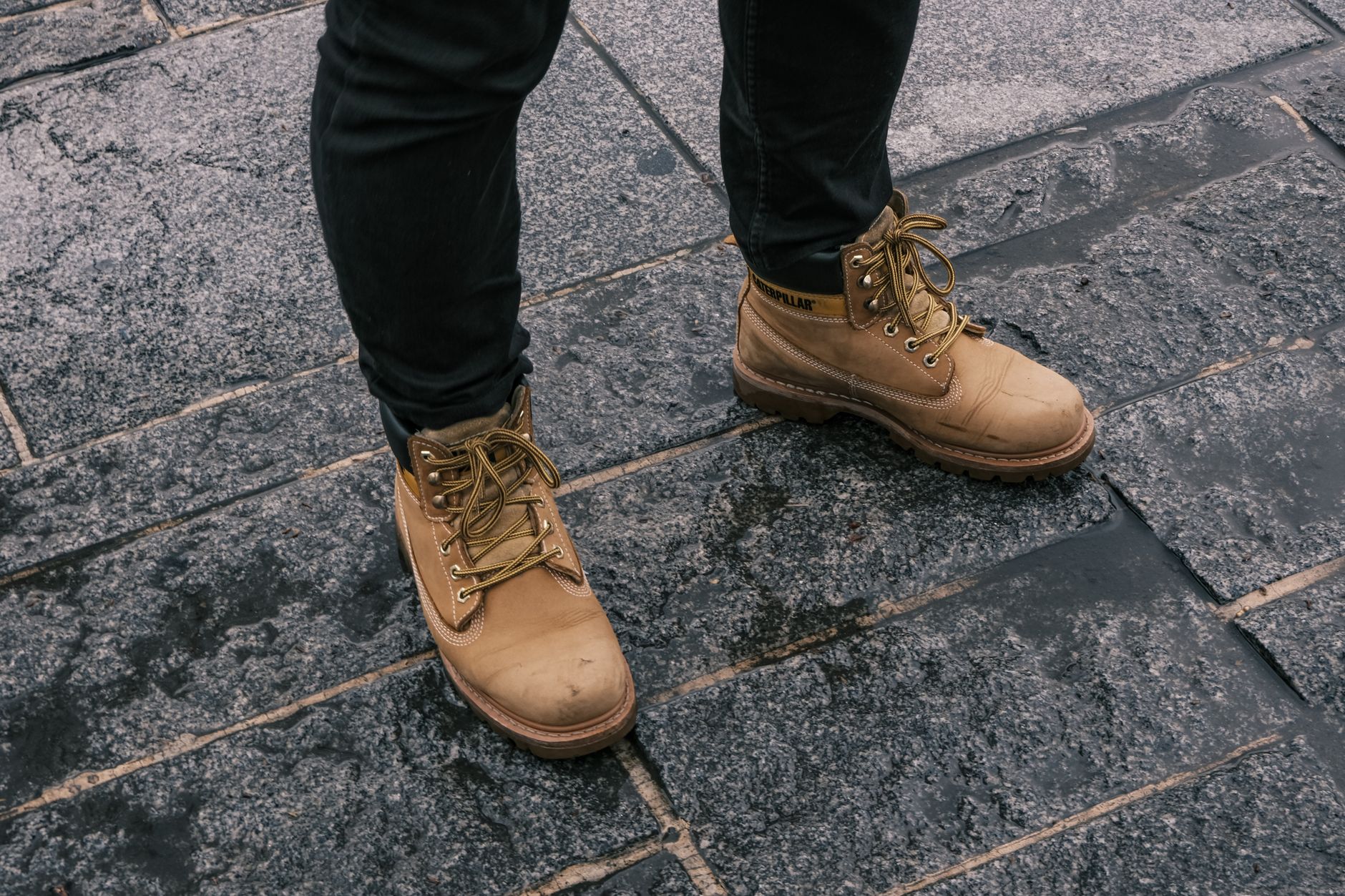
What it is
Safety footwear is rated by a combination of toe protection, midsole penetration resistance and sole properties. The rating code on the boot states exactly which protections are present, and it is worth reading before buying.
What is included
- Site risk assessment
- Boots with the rating code explained
- Both-feet fitting with work socks
- Slip resistance matched to the floor
- Written replacement criteria
How it works
Risk and environment
We assess impact risk, penetration risk, slip conditions, and whether static dissipation or electrical insulation is required.
Rating selection
We select the rating that covers those risks and explain what each letter in the code actually means.
Fitting
We fit both feet at end of day with the socks that will be worn on site.
Replacement policy
We set a replacement trigger based on sole wear and any impact the toe cap has taken.
Frequent questions
Composite or steel toe cap?
Both meet the same impact requirement. Composite is lighter, does not conduct heat or cold and passes metal detectors; steel is thinner at the same protection and usually costs less.
When should safety boots be replaced?
After any significant impact to the toe cap, when tread is worn smooth, when the midsole is exposed, or when the upper no longer holds the foot.
Does a penetration-resistant midsole cover the whole sole?
Steel plates leave small unprotected edges by design; textile midsoles cover more area and are more flexible. The difference matters where nails are the main risk.
Related
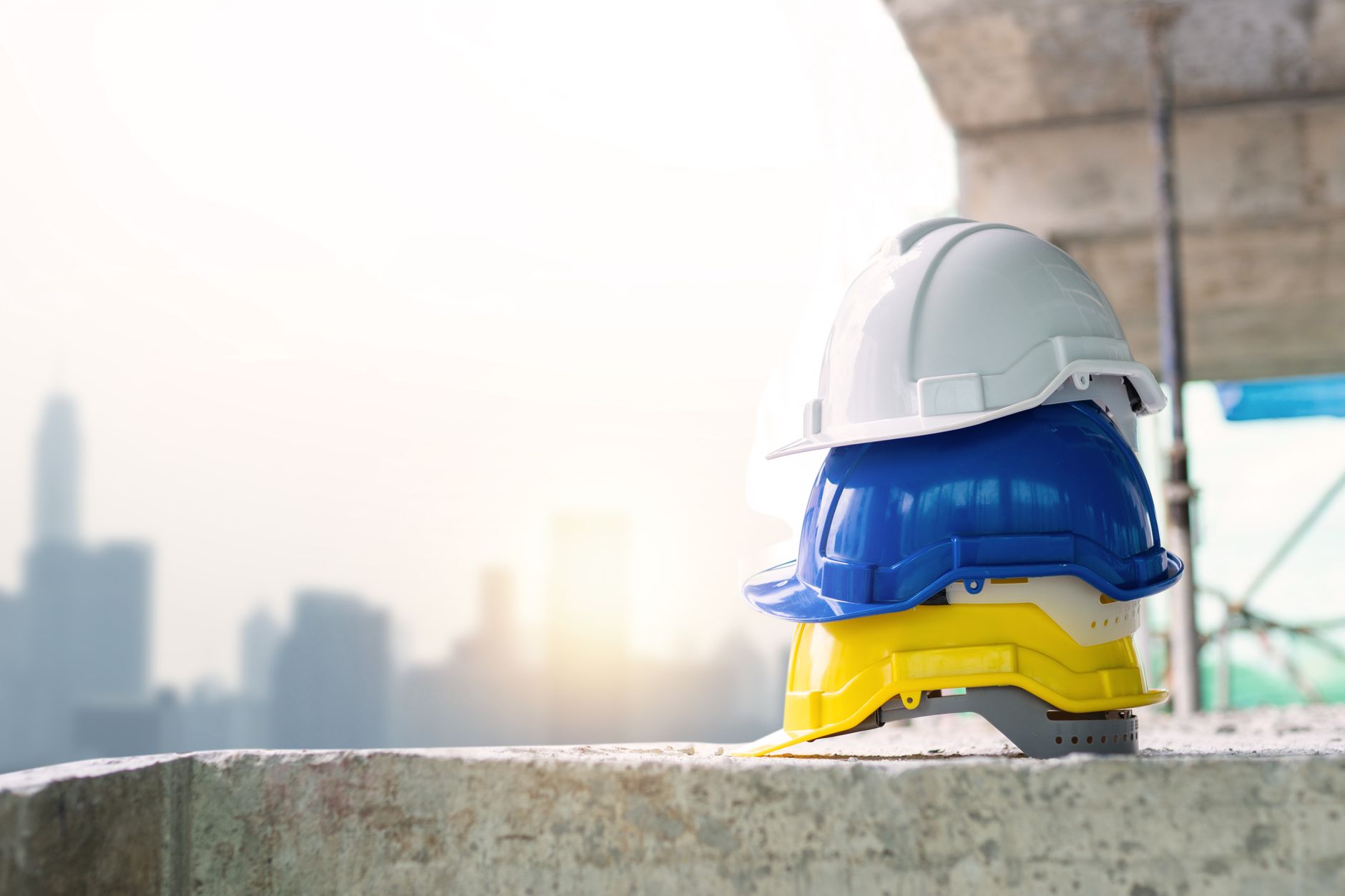
Class matched to the risk
Head and face protection
Helmets and visors selected by protection class and electrical rating, with suspension fitted per wearer.
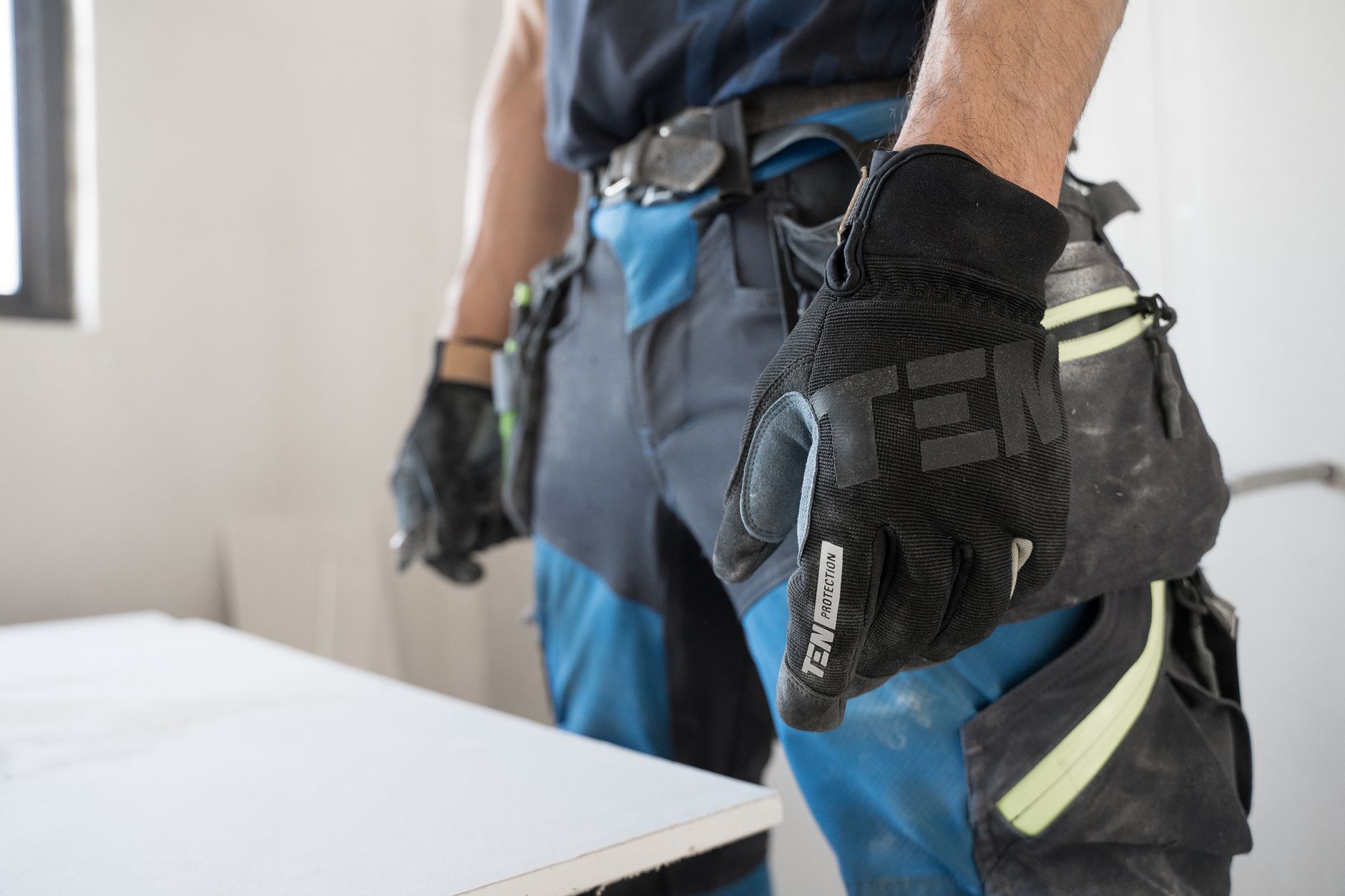
Task by task
Hand protection
Gloves chosen on tested performance levels or permeation data, balanced against the dexterity the task needs.

Both halves of the job
High-visibility workwear
Fluorescent area and retroreflective tape to the required class, with wash limits stated.