
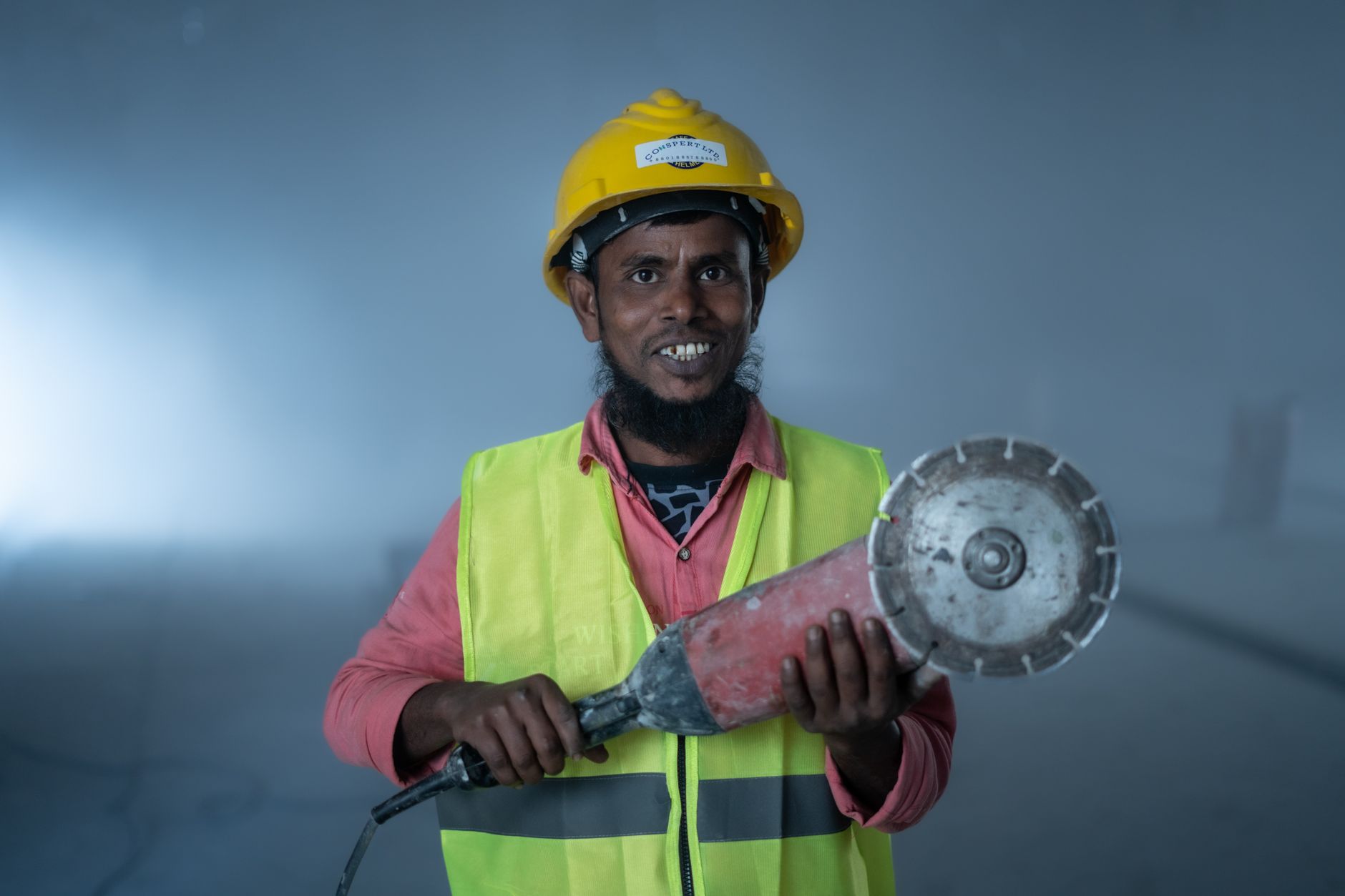
What it is
High-visibility clothing works by combining fluorescent material, which stands out in daylight, with retroreflective tape, which returns headlight beams at night. Both are required, and the classes are defined by how much of each the garment carries.
What is included
- Visibility class determined by risk
- Certified garments with class marked
- Fabric matched to climate and task
- Sizing across the workforce
- Wash limit and replacement guidance
How it works
Risk and class
We establish traffic speed, lighting conditions and exposure to determine the required visibility class.
Garment selection
We select garments whose fluorescent area and tape configuration meet that class, in a fabric suited to the climate.
Comfort and compliance
We balance breathability against durability, because a garment too hot to wear is taken off and stops protecting.
Care and replacement
We set washing limits, since both fluorescence and reflectivity degrade with wash cycles and UV exposure.
Frequent questions
Does a faded hi-vis vest still comply?
No. Fluorescence fading is a loss of daylight visibility, and a faded garment no longer meets the class it was certified to. It should be replaced.
How many washes does hi-vis survive?
The garment label states a maximum wash cycle count. Exceeding it, or using bleach and high temperatures, degrades the tape and the fluorescent dye.
Is a vest enough?
For lower-risk daytime situations, often yes. Higher classes require larger fluorescent areas, which means sleeves and trousers rather than a vest alone.
Related
Class matched to the risk
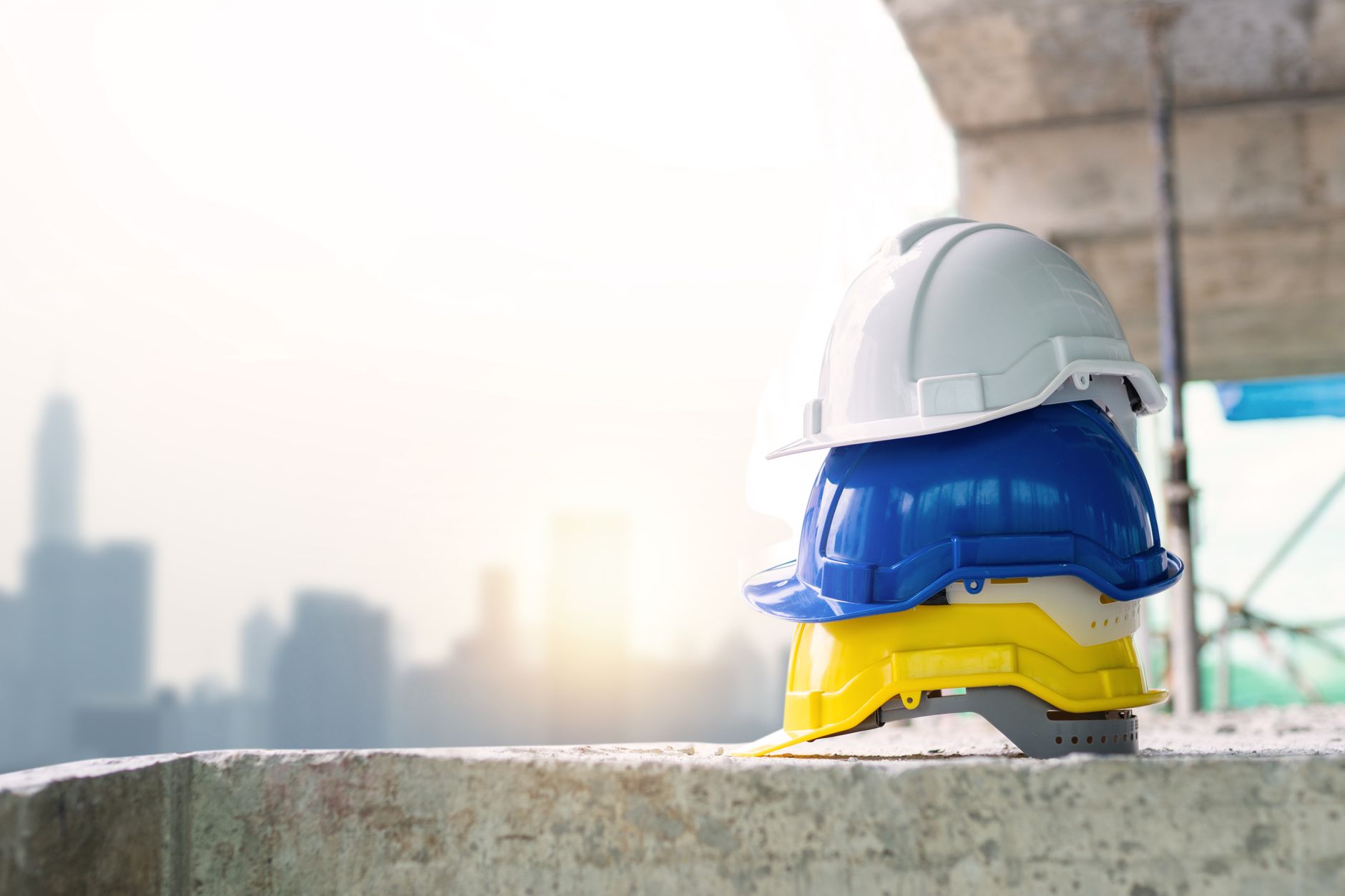
Head and face protection
Helmets and visors selected by protection class and electrical rating, with suspension fitted per wearer.
Task by task
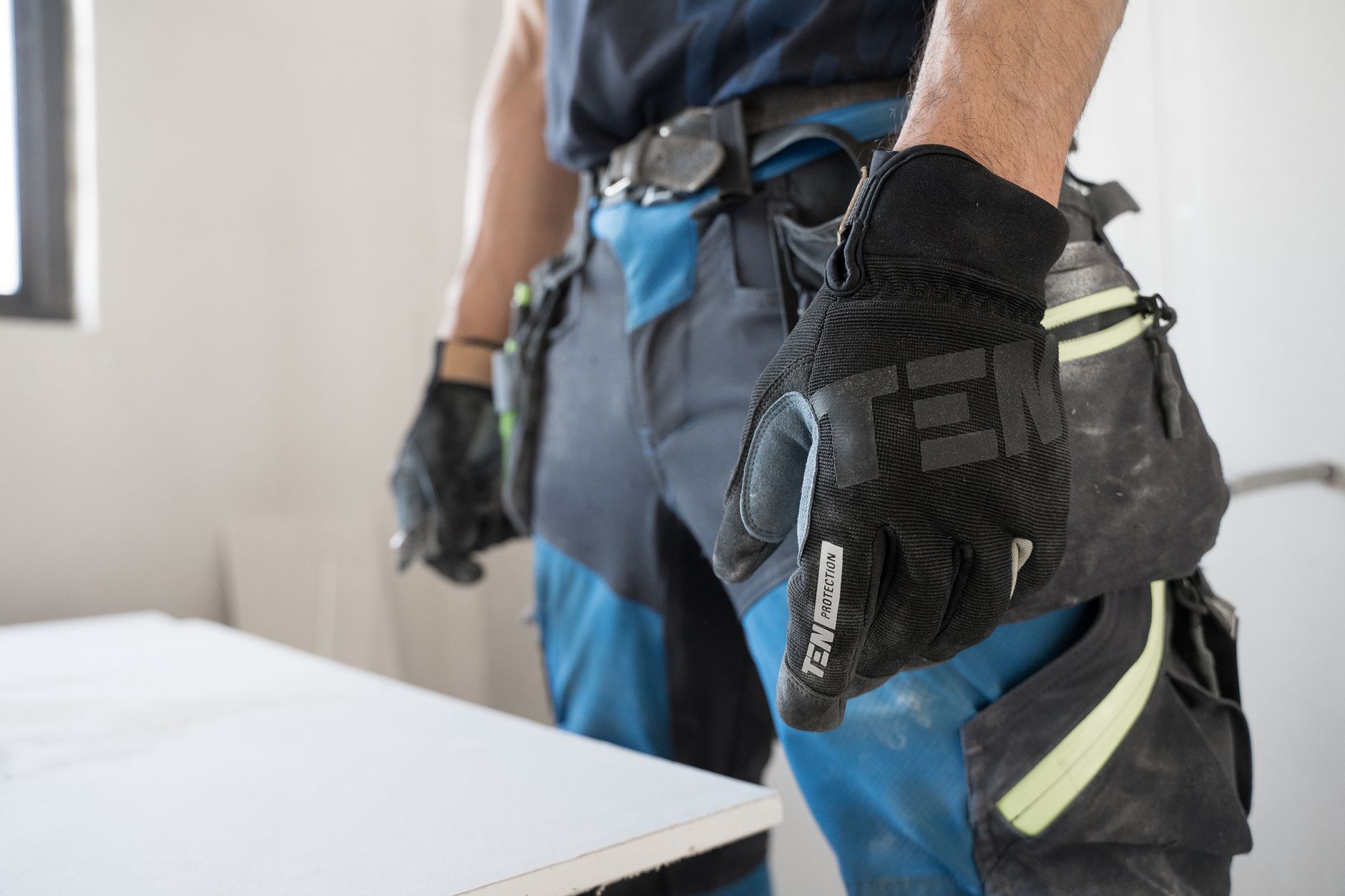
Hand protection
Gloves chosen on tested performance levels or permeation data, balanced against the dexterity the task needs.
The rating code, explained
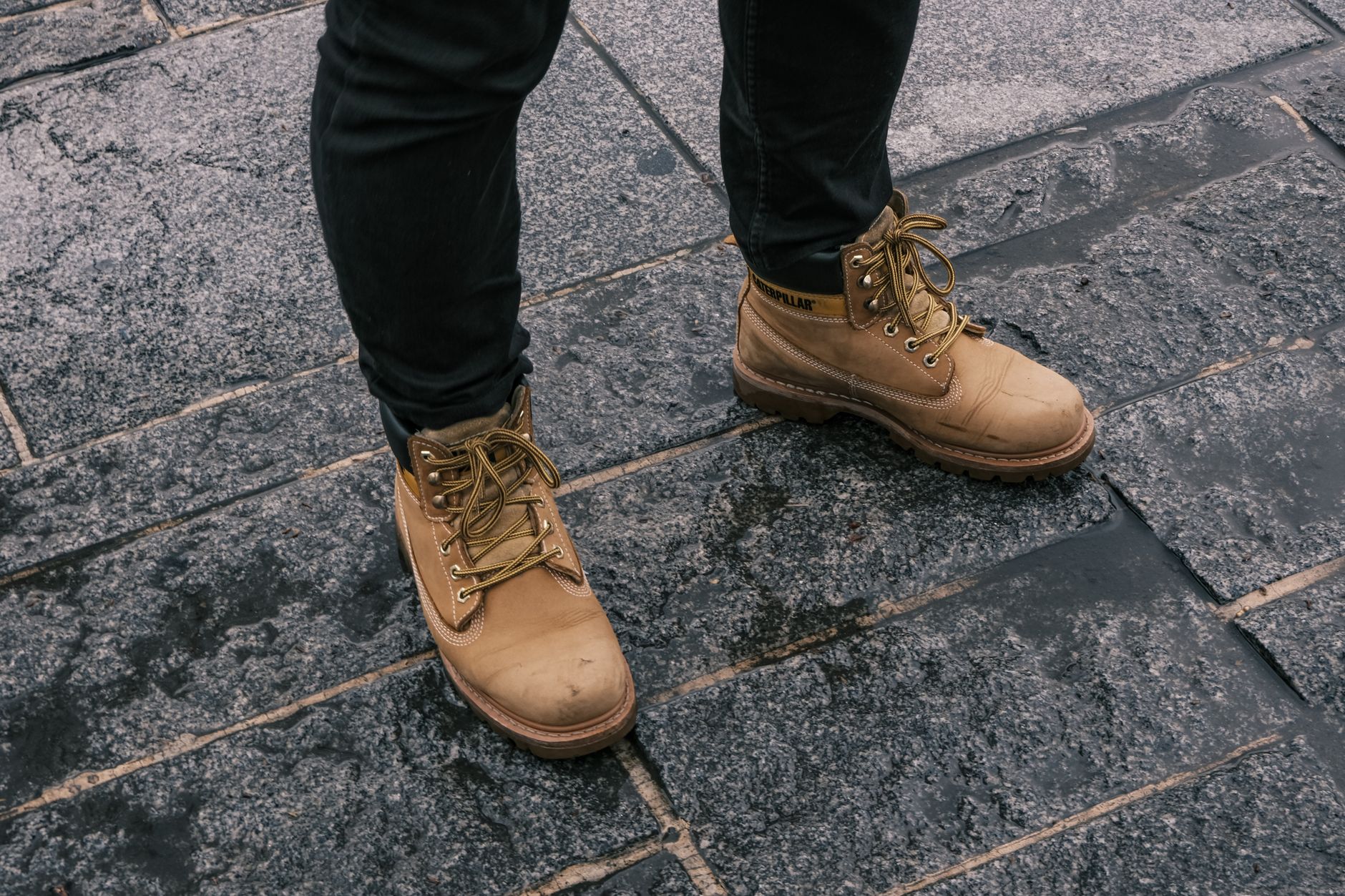
Safety footwear
Boots matched to impact, penetration and slip risk, fitted on both feet with the socks worn on site.