
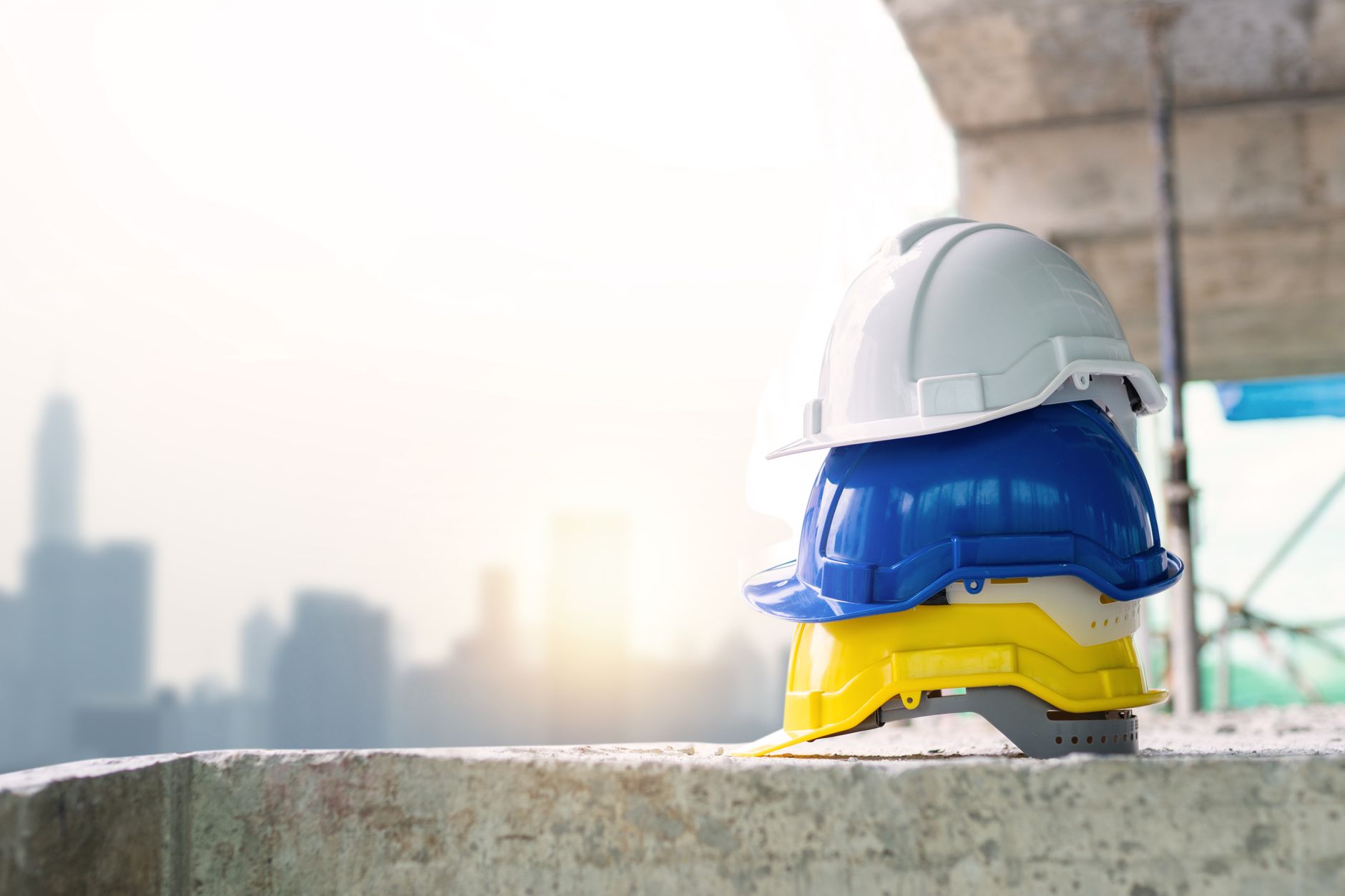
What it is
Head and face protection is certified equipment with a defined shelf life and a defined service life. A helmet that has taken an impact is finished, even when it looks intact, because the shell absorbs energy by deforming.
What is included
- Documented hazard assessment
- Certified helmet with class and standard marked
- Suspension fitting per wearer
- Compatibility check with other PPE worn
- Inspection checklist and replacement schedule
How it works
Hazard assessment
We identify the actual risks on site: falling objects, lateral impact, electrical contact, arc flash, molten splash or chemical splash.
Class selection
We select the protection class and any required electrical rating against those hazards, and document why.
Fit and compatibility
We fit the suspension and confirm compatibility with any eye, hearing or respiratory protection worn with it.
Inspection and replacement
We set the inspection routine and the replacement interval based on manufacture date and exposure.
Frequent questions
When must a helmet be replaced?
Immediately after any impact, when the shell shows cracks, crazing or chalking, or at the manufacturer service life from the moulding date stamped inside.
Can stickers be applied to a helmet?
Only where the manufacturer permits it. Adhesives and solvents can attack the shell, and stickers hide the cracks an inspection is looking for.
Does a helmet protect against electrical contact?
Only the classes rated for it. A standard impact helmet offers no electrical protection, and the rating is marked on the shell.
Related
Task by task
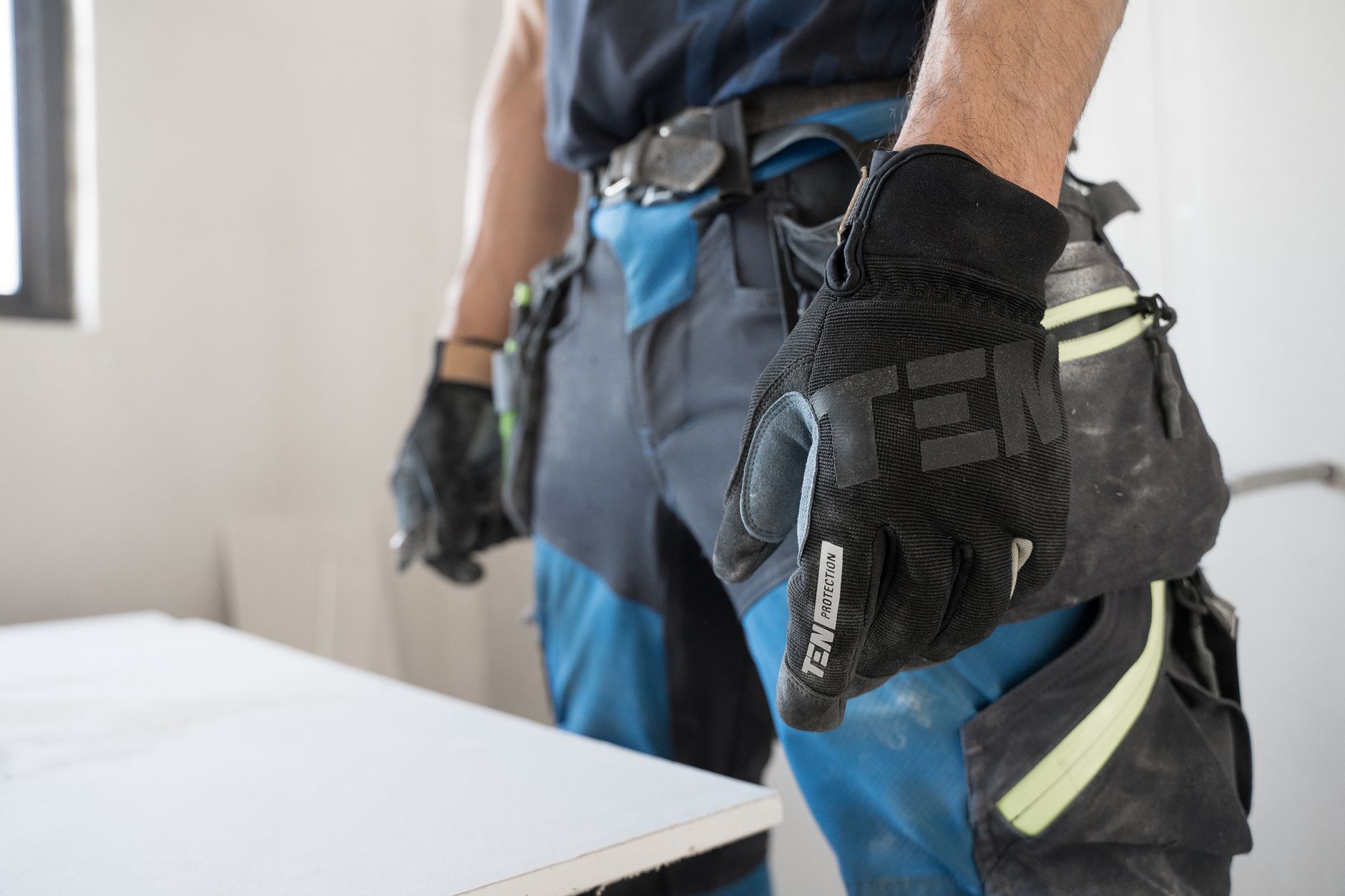
Hand protection
Gloves chosen on tested performance levels or permeation data, balanced against the dexterity the task needs.

The rating code, explained
Safety footwear
Boots matched to impact, penetration and slip risk, fitted on both feet with the socks worn on site.
Both halves of the job
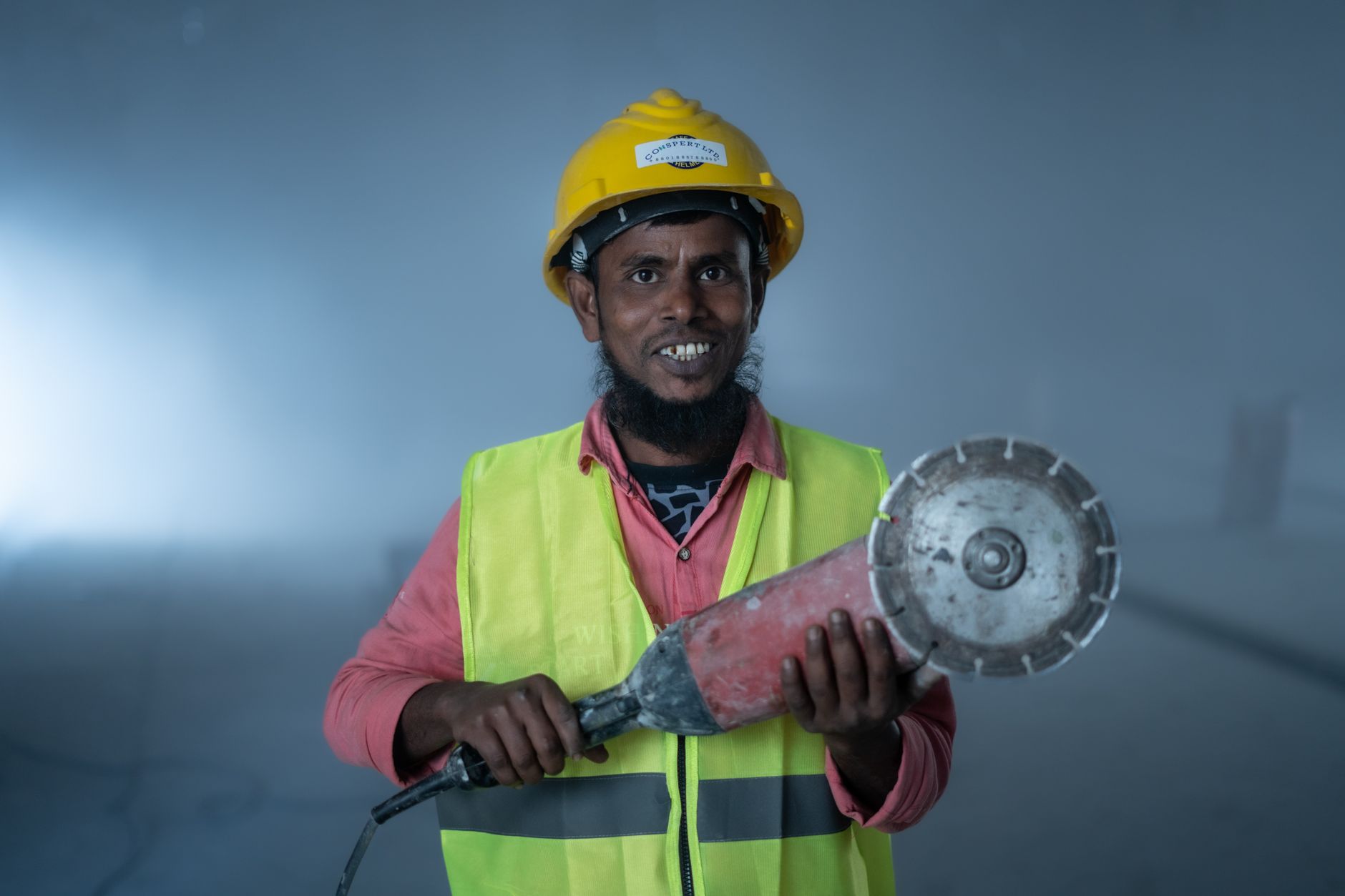
High-visibility workwear
Fluorescent area and retroreflective tape to the required class, with wash limits stated.