
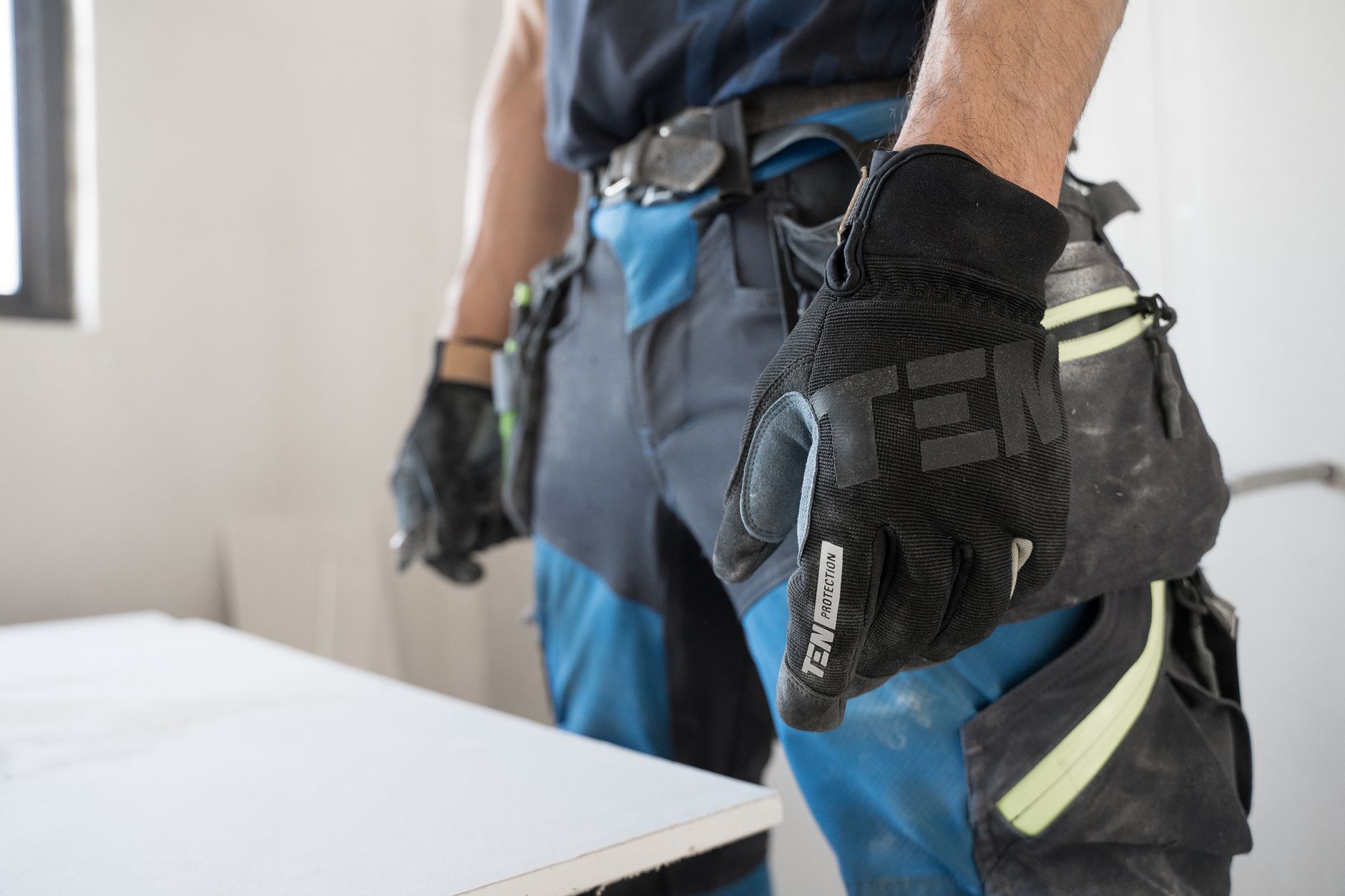
What it is
Hand protection is selected against a specific hazard: cut, abrasion, puncture, heat, chemical or impact. A glove that scores well against cuts can be the wrong glove entirely for solvents, and wearing the wrong one is worse than an informed bare hand.
What is included
- Task-by-task hazard assessment
- Gloves selected on tested performance levels
- Chemical permeation data where relevant
- Per-wearer sizing
- Trial period before standing supply
How it works
Hazard identification
We establish which hazards are present and which are the dominant risk for each task.
Performance rating
We select against the tested performance levels for cut, abrasion, tear and puncture, or against permeation data for chemicals.
Dexterity balance
We balance protection against the dexterity the task needs, because a glove too clumsy to work in gets removed.
Sizing and trial
We size per wearer and run a trial period before committing to a standing order.
Frequent questions
What do the numbers on a glove mean?
They are tested performance levels for each hazard, in a fixed order. Higher is better for that hazard only, and says nothing about the others.
Can one glove cover every task?
Rarely, and trying usually means over-protecting some tasks and under-protecting others. Task-specific selection costs less and works better.
How often should gloves be replaced?
When the protective performance is compromised: visible wear, cuts, stiffening, or after the chemical breakthrough time for the substance handled.
Related

Class matched to the risk
Head and face protection
Helmets and visors selected by protection class and electrical rating, with suspension fitted per wearer.
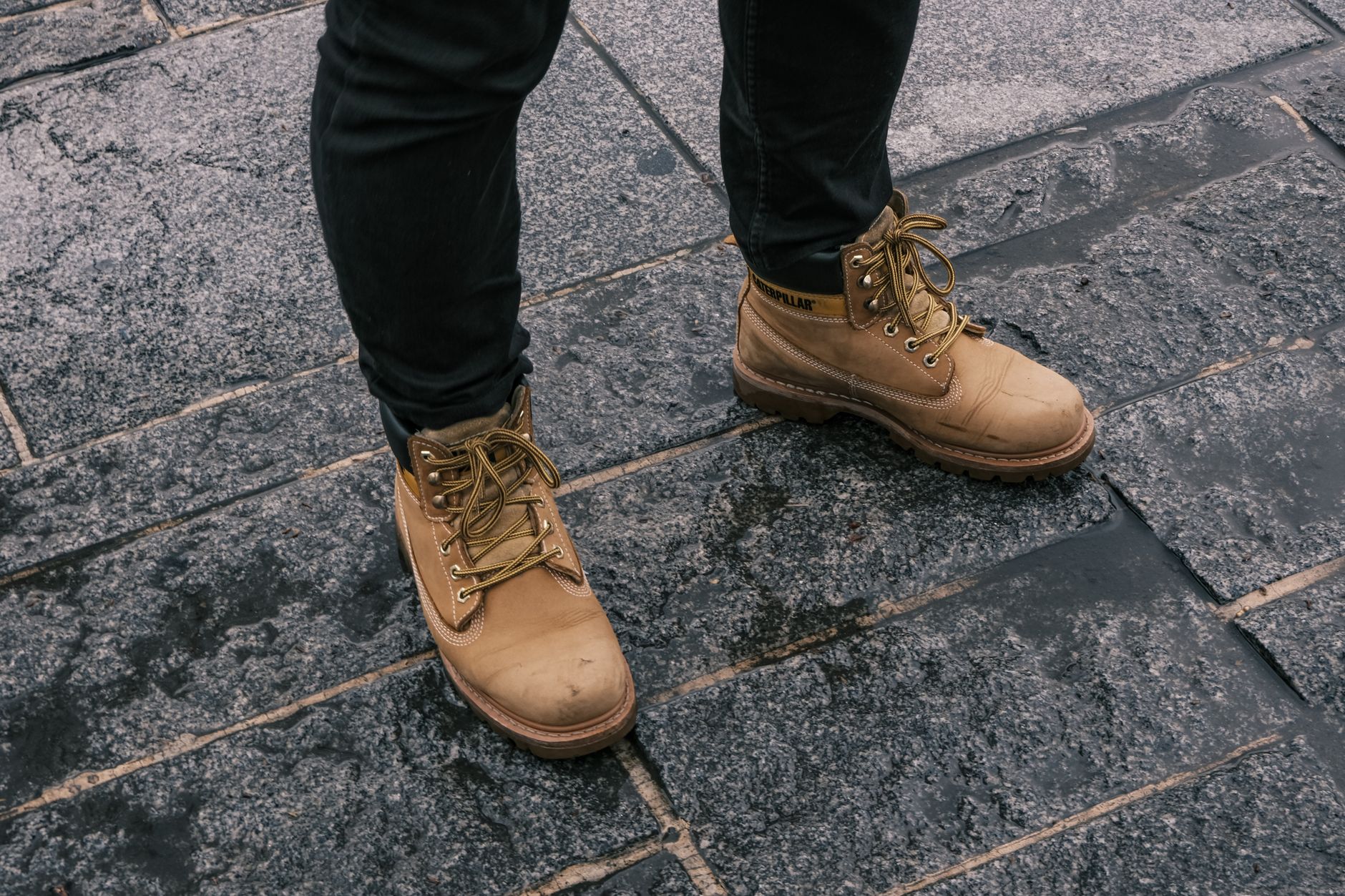
The rating code, explained
Safety footwear
Boots matched to impact, penetration and slip risk, fitted on both feet with the socks worn on site.

Both halves of the job
High-visibility workwear
Fluorescent area and retroreflective tape to the required class, with wash limits stated.