
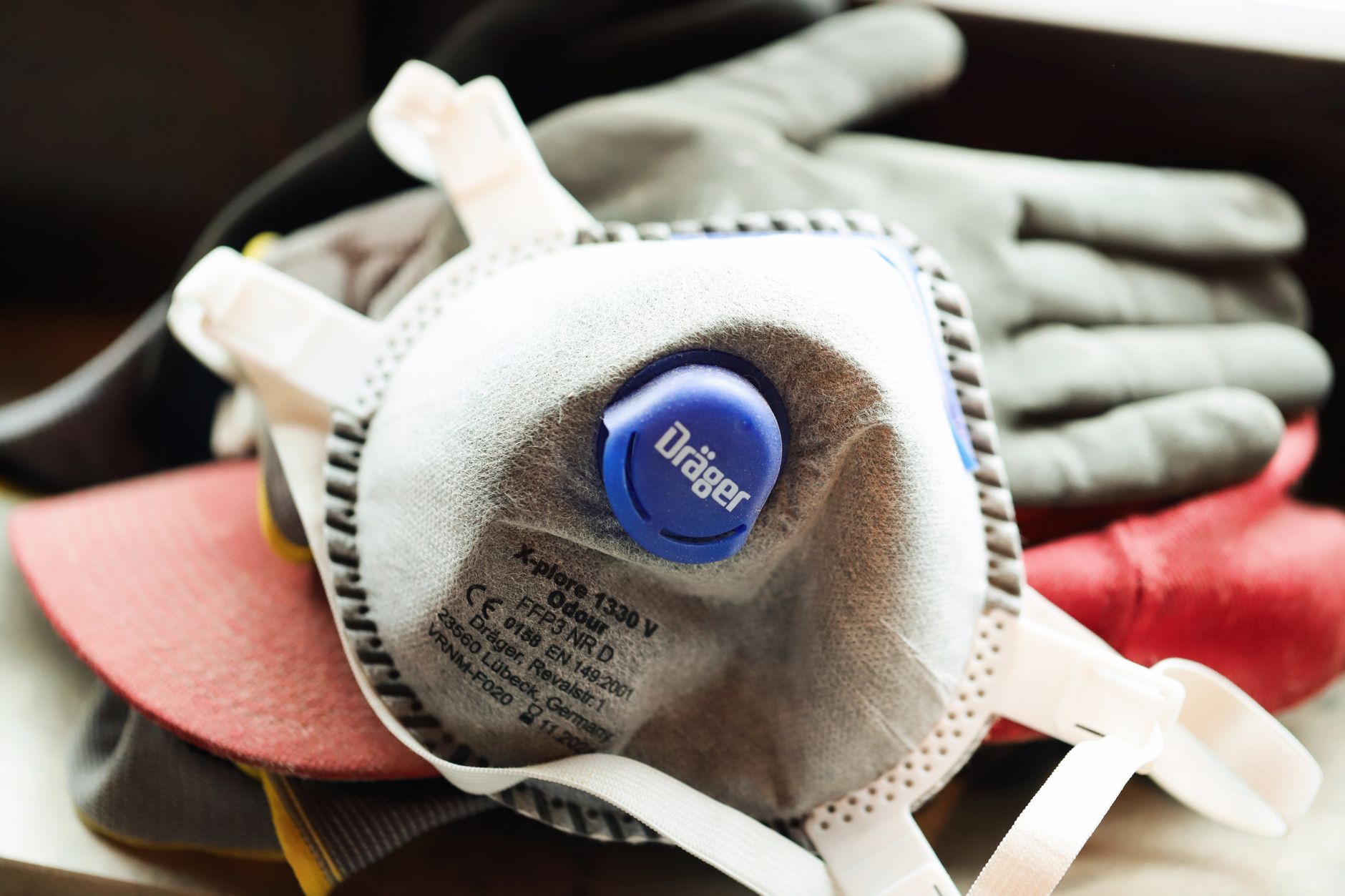
What it is
Respiratory protection depends entirely on fit. A high-specification respirator that leaks at the seal offers less protection than a lower-specification one that seals properly, which is why fit testing is not optional.
What is included
- Airborne contaminant assessment
- Correct device class and filter type
- Per-wearer fit test with record
- Filter change schedule
- Cleaning, storage and inspection routine
How it works
Contaminant identification
We identify what is actually in the air: particulate, vapour, gas or a combination, and at what concentration.
Device and filter selection
We select the device class and the correct filter for that contaminant, since a particulate filter does nothing against solvent vapour.
Fit testing
We fit test each wearer on the specific model, and we record the result.
Maintenance routine
We set filter change intervals, cleaning and storage, and we cover facial hair restrictions honestly.
Frequent questions
Does facial hair affect a respirator?
Yes, decisively. Hair crossing the sealing surface prevents a seal, and no tightening compensates. Where hair cannot be removed, a loose-fitting powered hood is the alternative.
When do filters need changing?
Particulate filters when breathing resistance rises; gas and vapour cartridges on a calculated service life, or sooner if odour or taste breaks through.
Is a dust mask the same as a respirator?
Only if it is a certified respirator with a class marking. Unmarked comfort masks are not respiratory protective equipment and should not be used as such.
Related
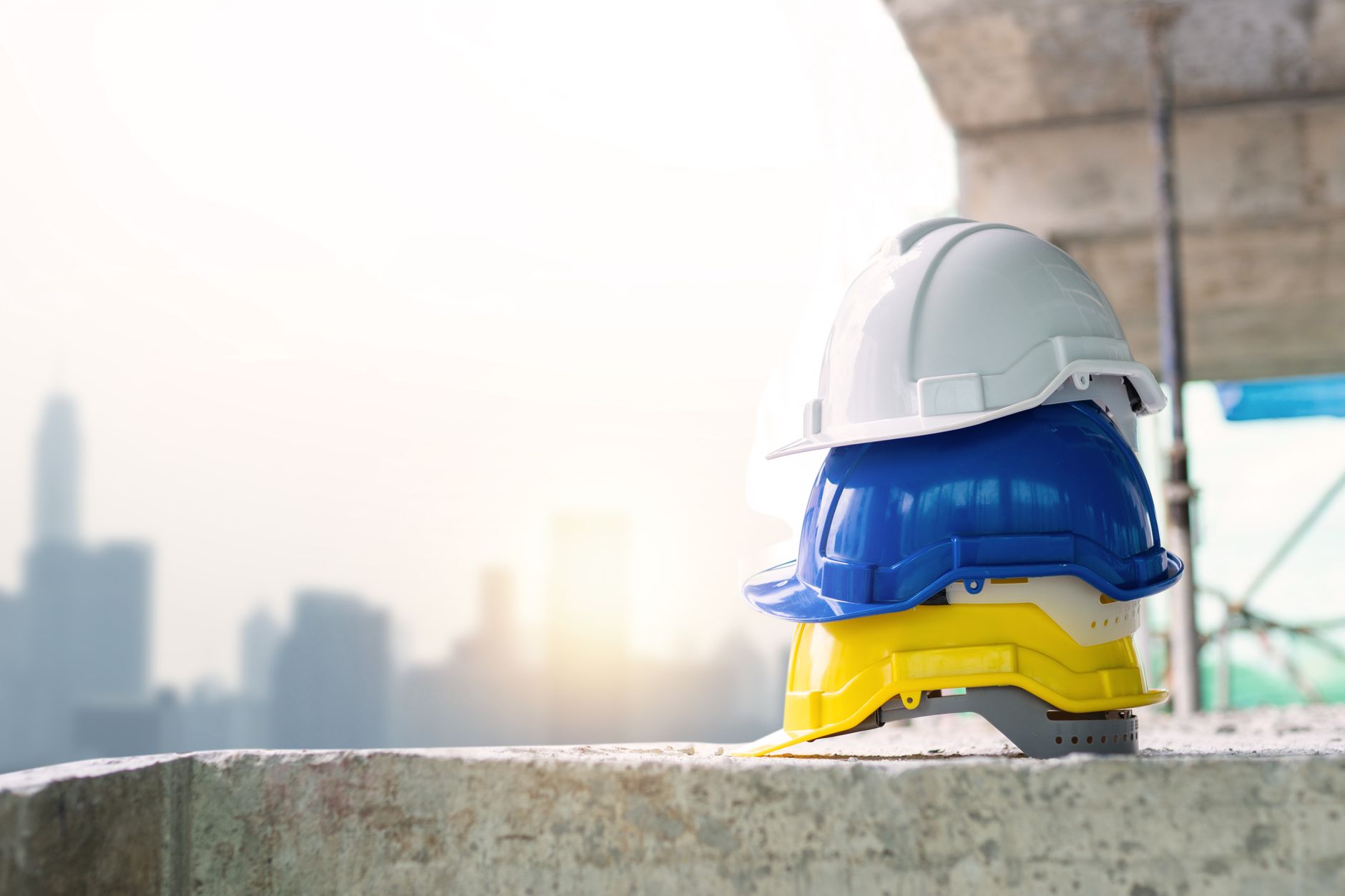
Class matched to the risk
Head and face protection
Helmets and visors selected by protection class and electrical rating, with suspension fitted per wearer.
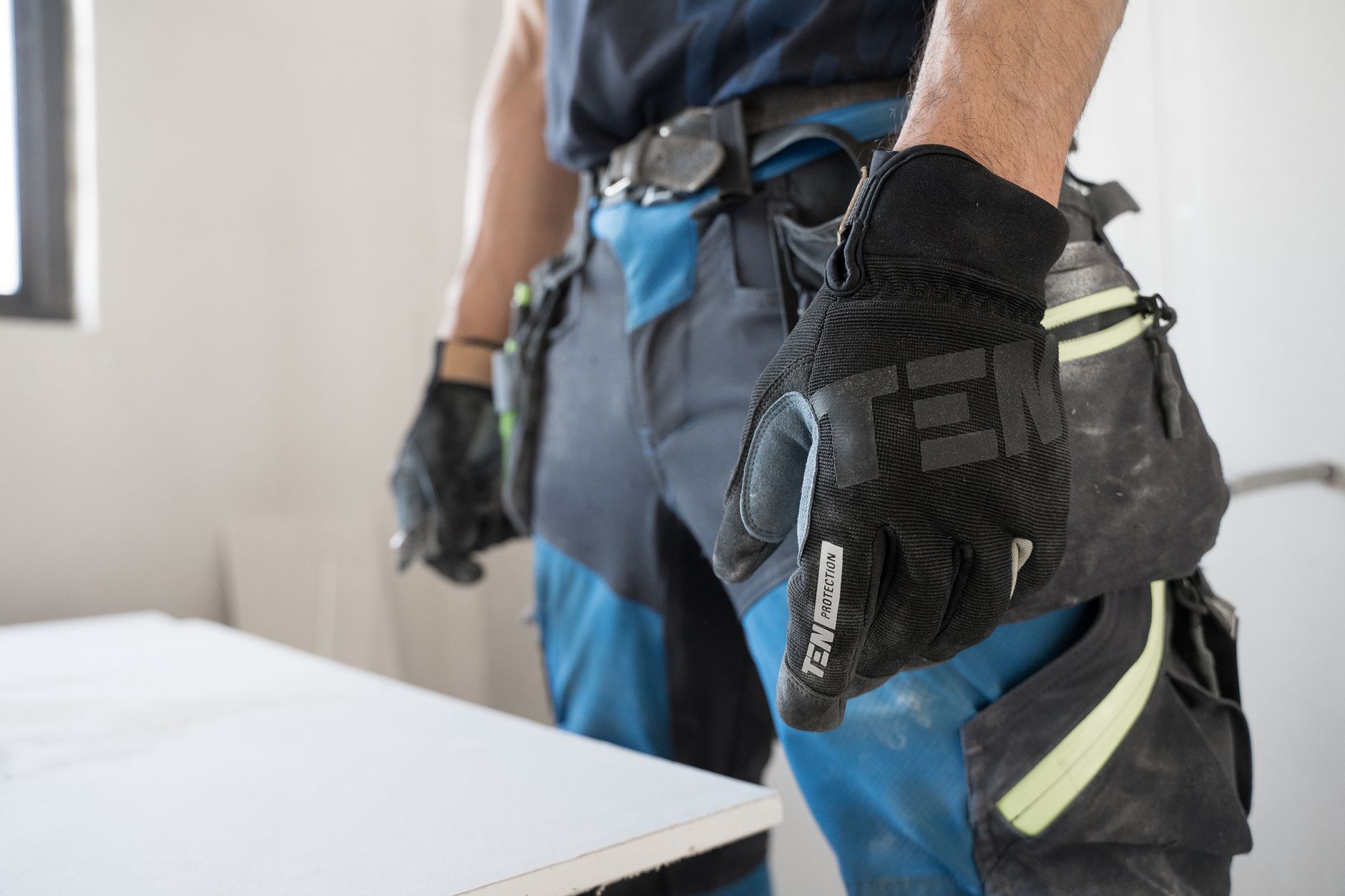
Task by task
Hand protection
Gloves chosen on tested performance levels or permeation data, balanced against the dexterity the task needs.
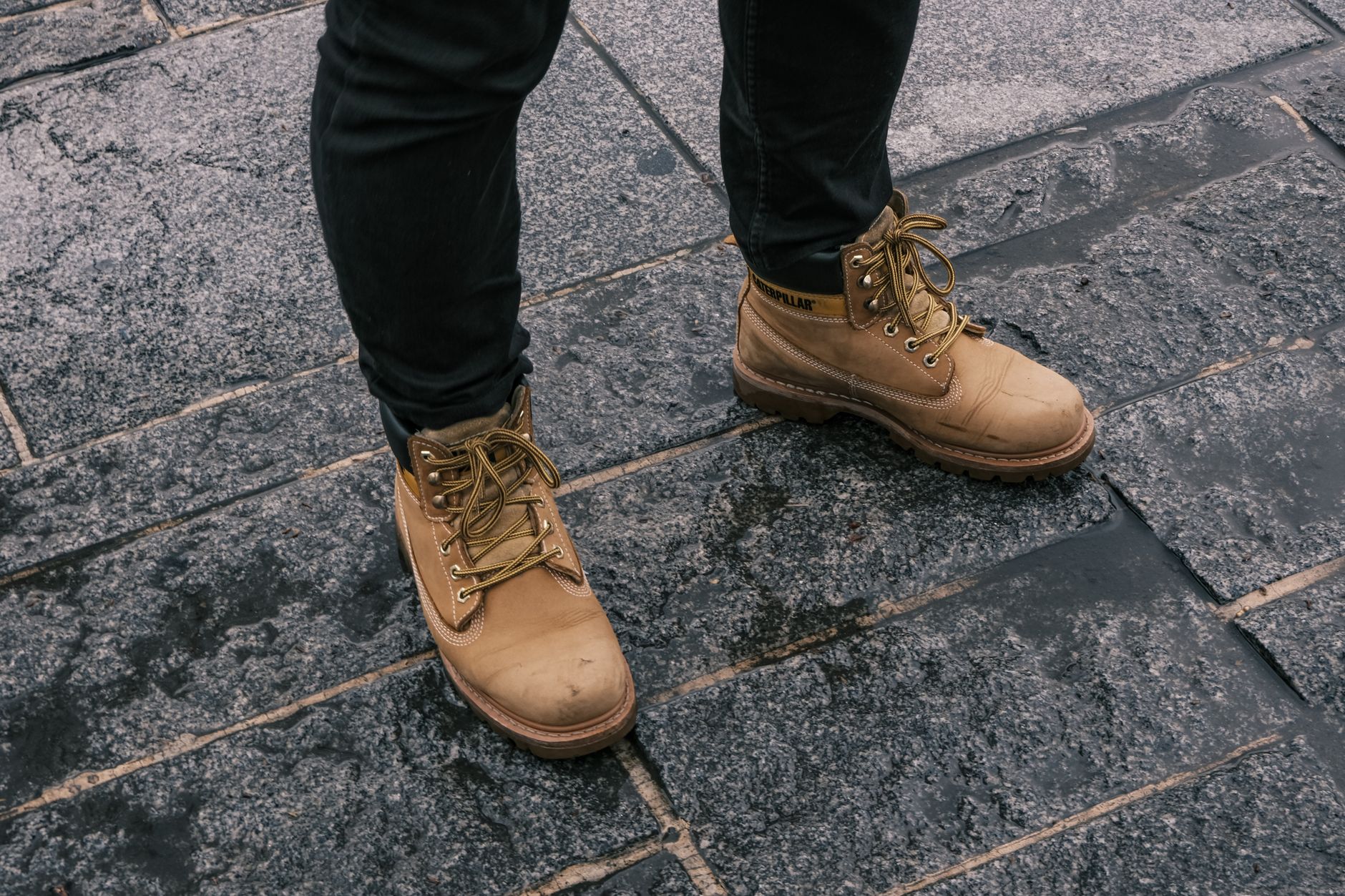
The rating code, explained
Safety footwear
Boots matched to impact, penetration and slip risk, fitted on both feet with the socks worn on site.