
What it is
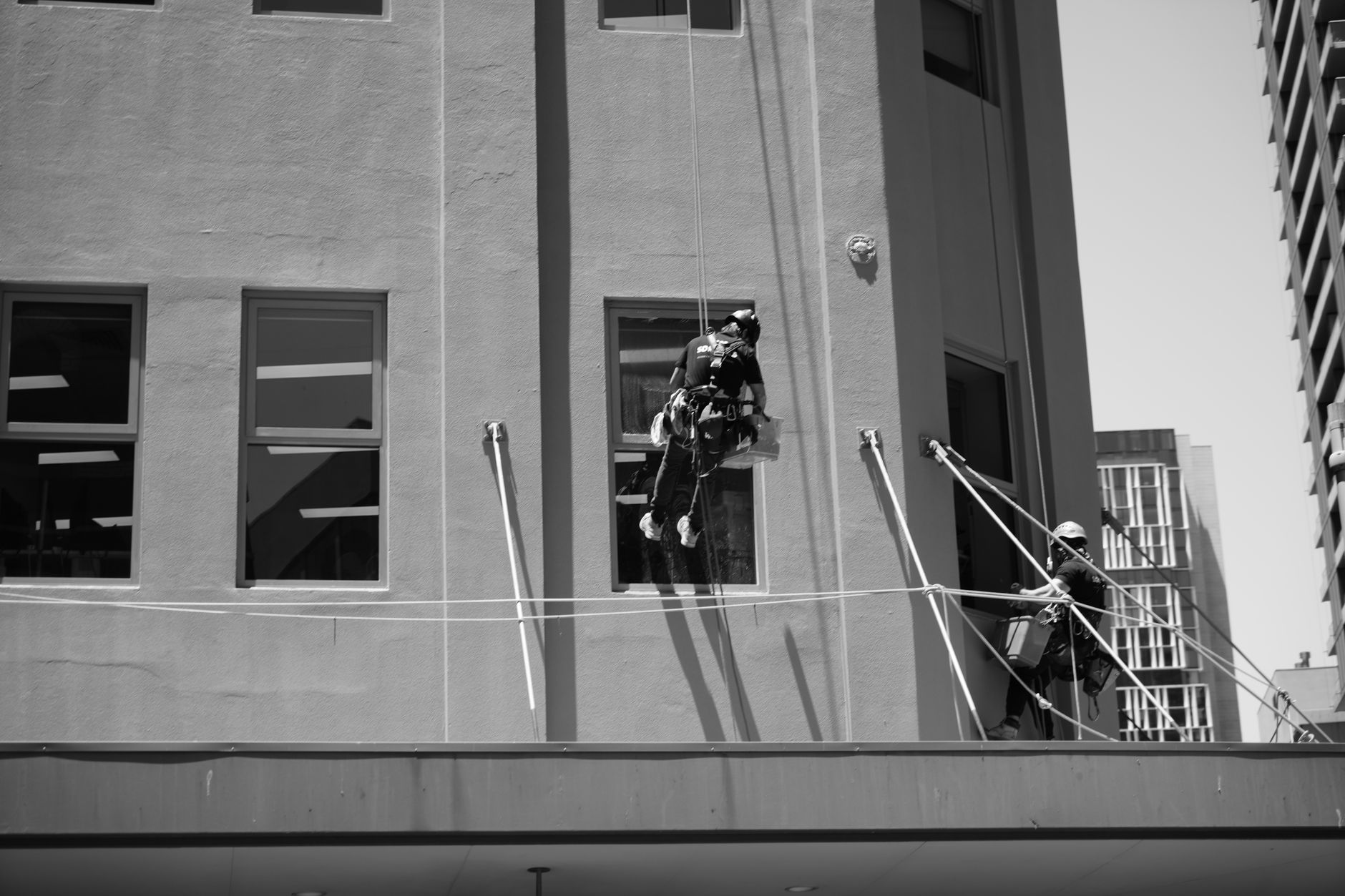
Fall protection is a system, not a product. Anchor point, connector, harness and energy absorber must be specified together, and the clearance below the work position must be calculated before anyone is tied off.
What is included
- Fall hazard survey
- Documented clearance calculation
- Compatible, certified system components
- Pre-use inspection training
- Rescue plan guidance
How it works
Fall hazard survey
We identify where a fall is possible and whether it can be prevented by restraint rather than arrested after the event.
Clearance calculation
We calculate required clearance including lanyard length, absorber deployment, wearer height and a safety margin.
System specification
We specify anchor, connector, harness and absorber as a compatible set, with rated anchor points.
Training and rescue plan
We cover donning, inspection and the rescue plan, because suspension after an arrested fall is itself an emergency.
Frequent questions
Is restraint better than arrest?
Yes, whenever it is possible. Restraint stops the worker reaching the edge, so no fall occurs. Arrest is what you specify when restraint cannot be arranged.
What happens to equipment after a fall?
The harness, connector and absorber are removed from service permanently. Energy absorbers are single-use by design and a loaded harness cannot be certified again.
Can any structural point be an anchor?
No. Anchors must be rated and, where required, certified. Pipework, handrails and ducting are not anchor points, though they are routinely misused as such.
Related
Class matched to the risk
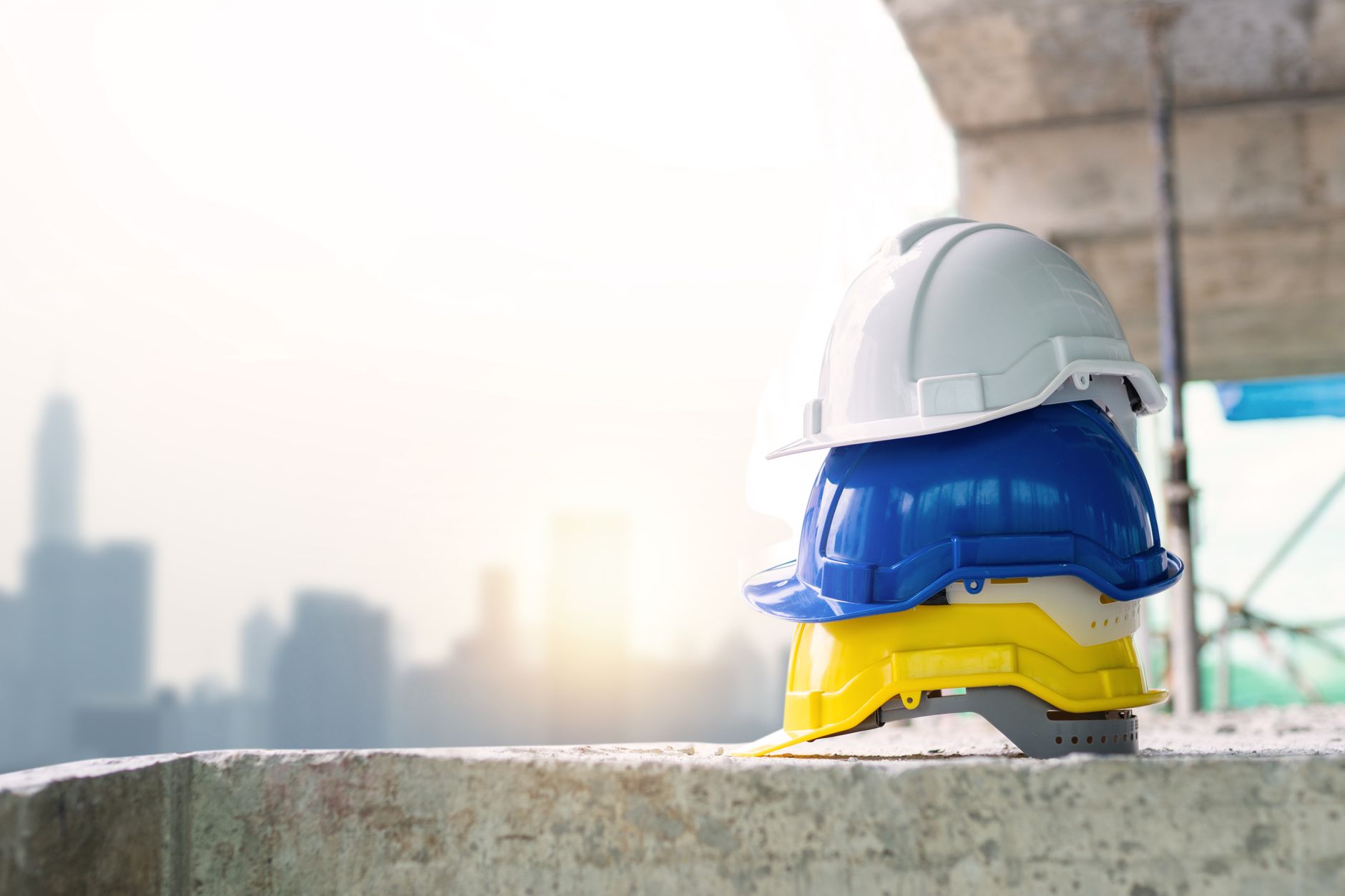
Head and face protection
Helmets and visors selected by protection class and electrical rating, with suspension fitted per wearer.
Task by task
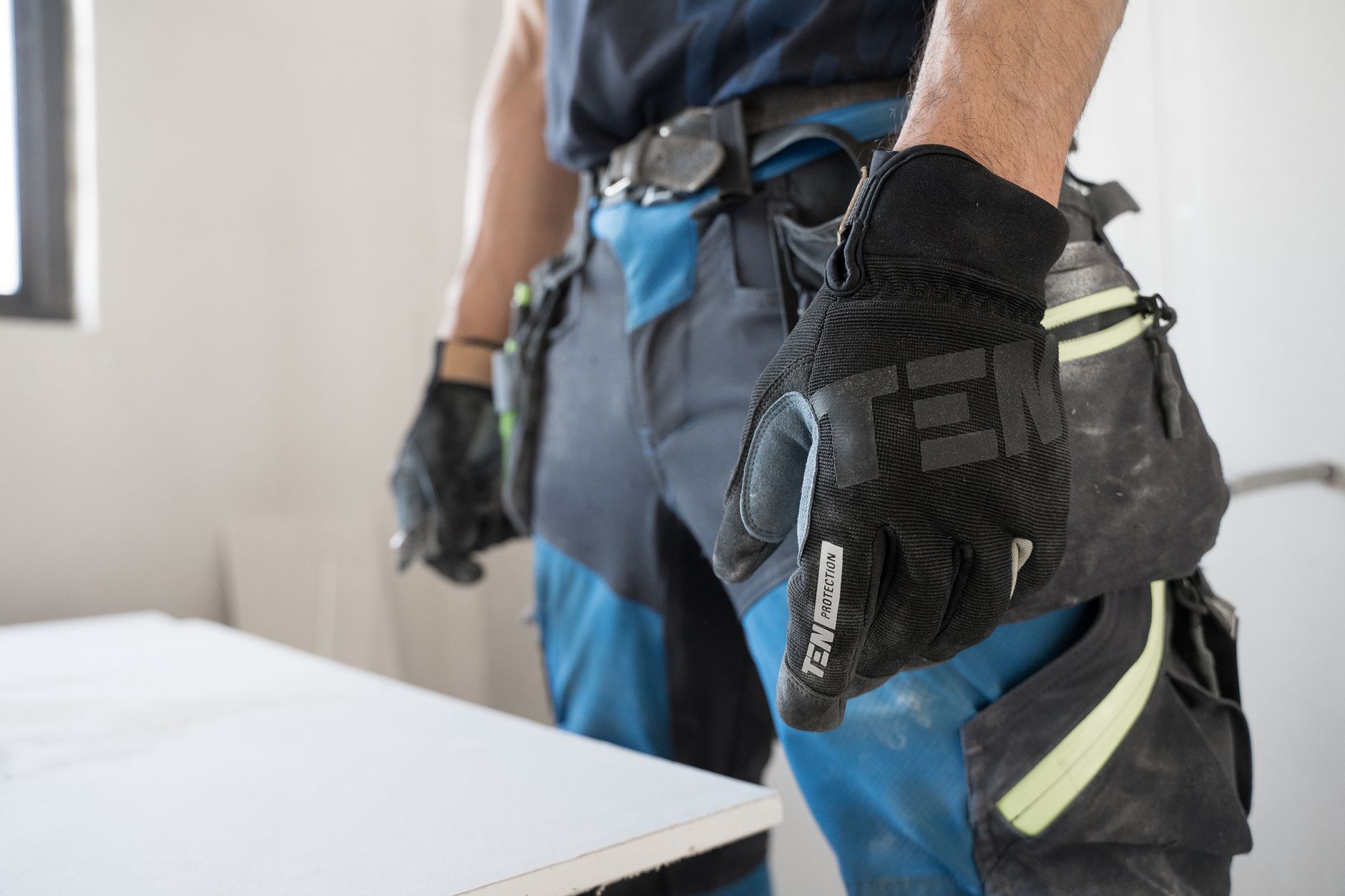
Hand protection
Gloves chosen on tested performance levels or permeation data, balanced against the dexterity the task needs.

The rating code, explained
Safety footwear
Boots matched to impact, penetration and slip risk, fitted on both feet with the socks worn on site.